

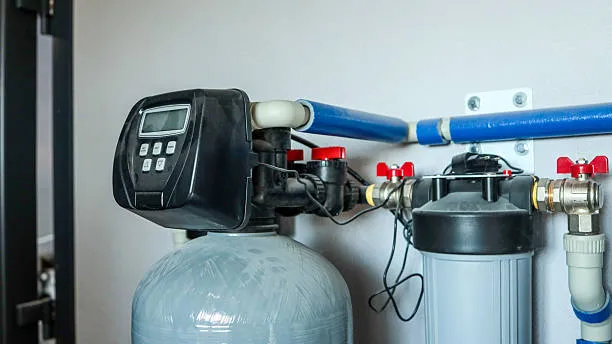
Whole-Home Water Filtration
Treat the water where it enters the house, so every tap, shower, and appliance downstream draws from filtered water.
Explore serviceEvery treatment decision follows from one question: what is actually in the water at this address? Hardness, iron, sulfur, sediment, disinfectant residual, and pH are separate problems with separate solutions, and the same symptom can come from more than one of them. A test result turns that guesswork into a specification.
Our Services
North Texas households draw from two very different supplies. Inside the metro, most homes are on treated municipal water, where the usual complaints are hardness and the taste or smell of the disinfectant residual. Outside it, private wells are common, and the issues shift toward iron, sulfur, sediment, and pH. Equipment that is right for one situation can be the wrong choice for the other.
Treat the water where it enters the house, so every tap, shower, and appliance downstream draws from filtered water.
Explore service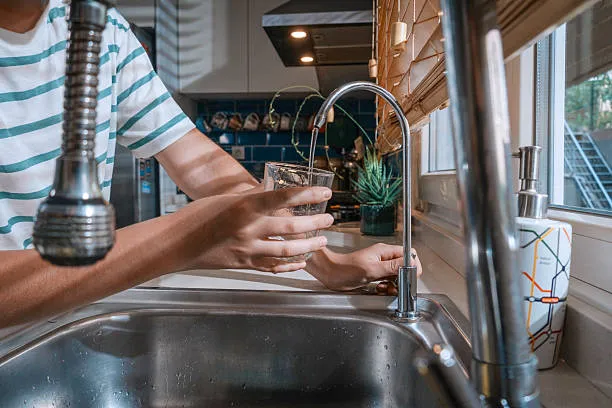
Dedicated treatment at the kitchen sink for the water you drink, cook with, and make ice from.
Explore service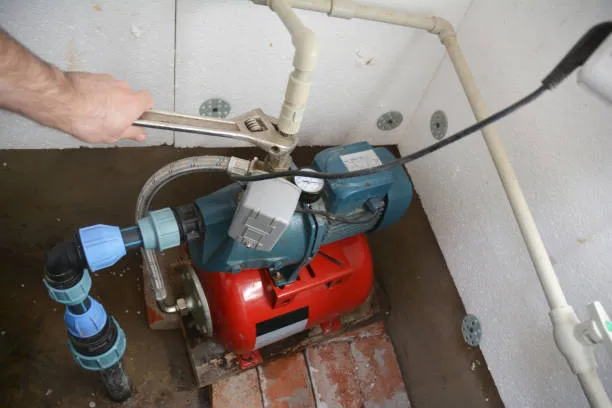
Iron, sulfur odor, sediment, hardness, and pH — treated as the separate problems they actually are.
Explore service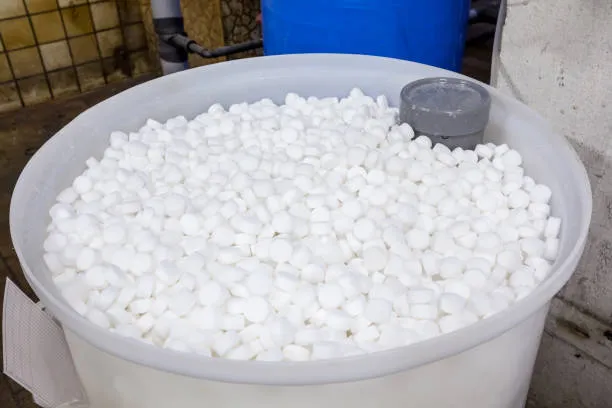
Address the hardness behind scale on fixtures, spotted dishes, and early appliance failure.
Explore service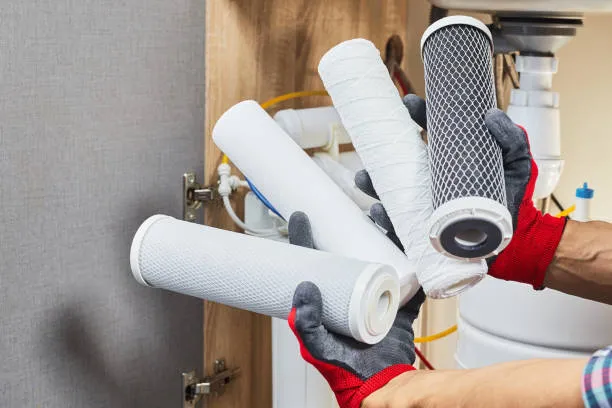
For the chlorine taste and smell, and the taste and odor compounds that come through with it.
Explore service
Treatment aimed at what municipal systems aren't built to address — hardness, scale, taste, and odor.
Explore serviceWhat You Notice
Marks that return in the same places are being delivered by the water, not left by the cleaning.
When it is house-wide rather than at one fixture, the cause is upstream of the fixture.
Visible mineral deposits are the most common reason households look at treatment.
Buying drinking water by the case is usually a sign the tap water is not doing what the household wants.
Water heaters, dishwashers, and ice makers show the effects of untreated water before anything else does.
Start with a test. We will tell you what is in it and which options actually address it.
From Consultation To Completion In 3 Easy Steps
We keep it simple. We find out what's actually in your water, walk you through the options that address it, and install the system properly so you stop thinking about it.
 01
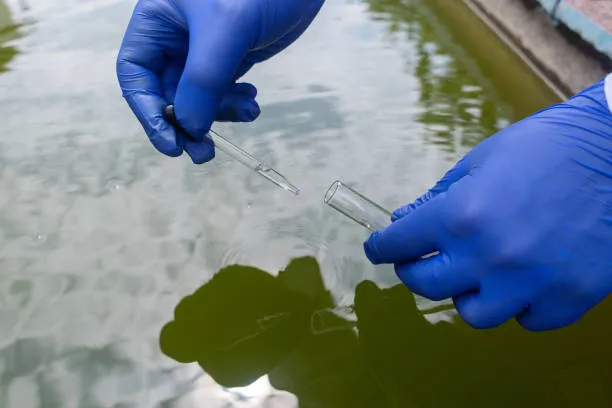
01We look at your water source, what you're seeing at the tap, and what a test shows. The same symptom can have more than one cause, so this comes first.
We explain which options fit your water, your plumbing, and your budget — including what each one addresses and what it doesn't.
 03
03We install the system, tie it in properly, test it, and show you how it works and what it needs from you.
Where We Work
Frequently Asked
Testing. For a private well it is the only record that exists. On municipal supply the utility's annual report covers the system, and a test covers your address specifically — the two answer different questions.
A filter captures particles and adsorbs certain compounds. A softener removes dissolved hardness minerals through ion exchange. They address different problems, and a home can need one, the other, or both.
Hardness is not regulated as a health concern. The effects are practical ones — scale, soap performance, and wear on appliances and fixtures.
We serve the cities listed on our service area page and the surrounding area. If you are nearby but not listed, reach out and ask.
Contact us and we will go over what your water needs.
Every treatment decision follows from one question: what is actually in the water at this address? Tell us what you're seeing and we'll work out what's behind it.