

A Fouled Resin Bed
Iron, sediment, and chlorine all shorten the life of the resin inside a softener. Wells running into a softener with no filter ahead of it are the usual case.
Hard water leaves scale in your pipes, your water heater, and your appliances. A water softener protects them by removing the calcium and magnesium that cause it. We find out how hard your water is, then size the system to your household.
What You Notice Around The House
Hard minerals react with soap instead of letting it foam. You use more shampoo and more detergent for the same result.
That is dissolved mineral left behind after the water dries. It comes back after every cleaning as long as the water is hard.
Minerals settle into the fabric and change how it feels. Detergent also has a harder time rinsing out.
Scale collects on the parts that heat your water. It acts like a blanket between the burner and the water.
Hard water leaves mineral and soap residue on your skin and hair. That film is what makes your skin feel tight and your hair feel heavy.
Scale builds up in the small passages inside valves and cartridges. That is where the wear shows up first.
What Hard Water Is Doing
Iron, sediment, and chlorine all shorten the life of the resin inside a softener. Wells running into a softener with no filter ahead of it are the usual case.
A softener rinses itself based on your hardness and your household size. Set wrong, it either wastes salt or lets hard water slip through.
Salt can harden into a crust across the tank with an empty gap underneath. The tank looks full while no brine is being drawn.
Your lawn and your garden get nothing out of softened water. We plan the install so outdoor lines, and often a kitchen cold tap, stay on untreated water.
How It Works
Hard water is water carrying dissolved calcium and magnesium. It picks them up underground, moving through rock on its way to your well or your city water supply.
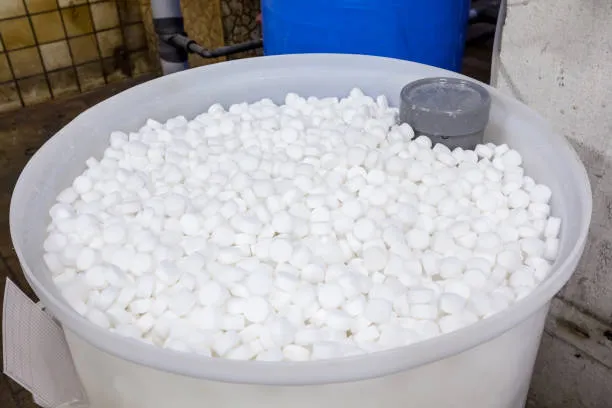
A softener trades those minerals away. Your water runs through a tank of small resin beads that hold sodium. The beads grab the calcium and magnesium and let the sodium go.
Once the beads are full, the softener rinses itself. It draws brine from the salt tank, washes the hard minerals off the beads, and sends them down the drain.
Softening is not filtering. It takes out hard minerals and nothing else. It does not remove sediment, it does not touch the chlorine smell, and it is not built for bacteria.
Hardness is measured in grains per gallon, and it is not the same across North Texas. Your number is what sets the size of the system and how often it rinses.
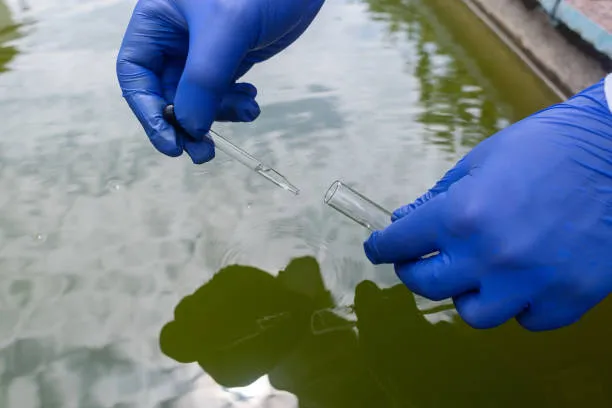 01
Understanding your water quality today helps us build out the water filtration system for your tomorrow. Optional in-home testing is available.
 02
We determine the right water filtration equipment to solve your unique problems. Each component is specifically chosen to deliver exceptional results.
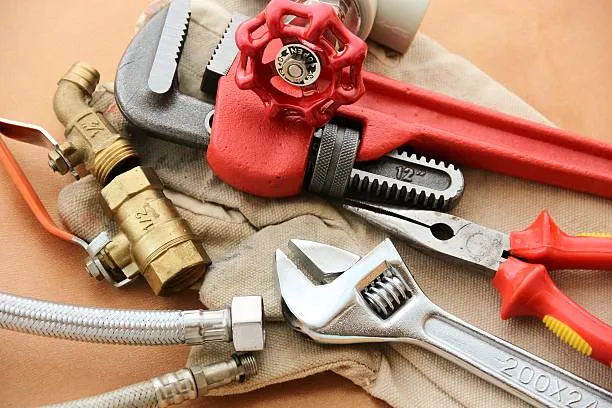 03
Licensed and insured plumbers install, calibrate, and configure your system. Backed by a 100% workmanship guarantee and manufacturer equipment warranties.
What It Costs
Hardness is different at every house, so we do not publish one price. These are the things that move the number. We go through them with you before we quote, and there is never any pressure to buy.
Questions We Hear Often
A softener trades hard minerals for a small amount of sodium, and the amount depends on how hard your water was to begin with. Most people cannot taste it. If you are watching sodium closely, we can set the system up with potassium instead, or leave one drinking tap untreated.
No. A conditioner changes how the minerals behave so they stick less. The hardness is still in your water, which matters if you want your soap to lather and not just less scale on the shower door.
That depends on your hardness, your water use, and how the softener is set up. A metered unit rinses based on the water you actually used, which usually means less salt than a timer.
Only a little of it, and iron shortens the life of the resin. When iron is the main complaint, it gets its own equipment ahead of the softener.
More Ways We Can Help
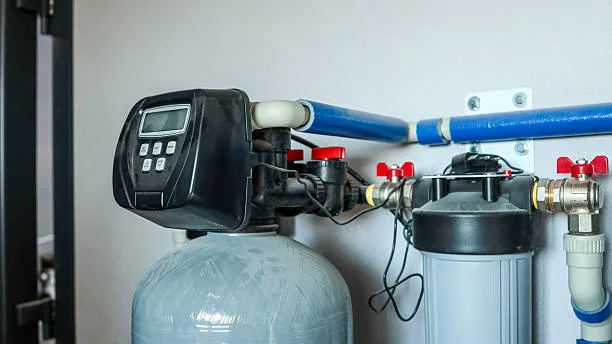
Treat your entire home. Showers, sinks, and appliances all use pure water
Explore service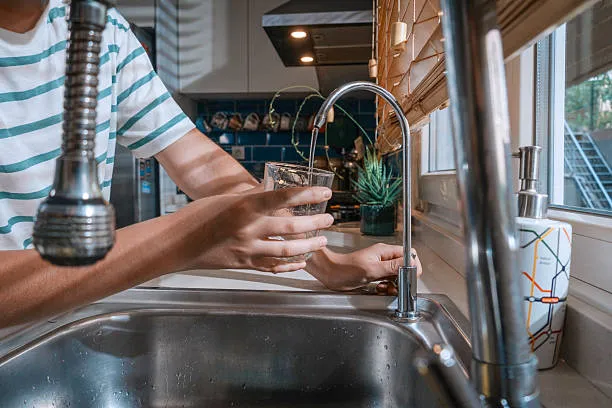
Purify the water you use for drinking, cooking, and making ice
Explore service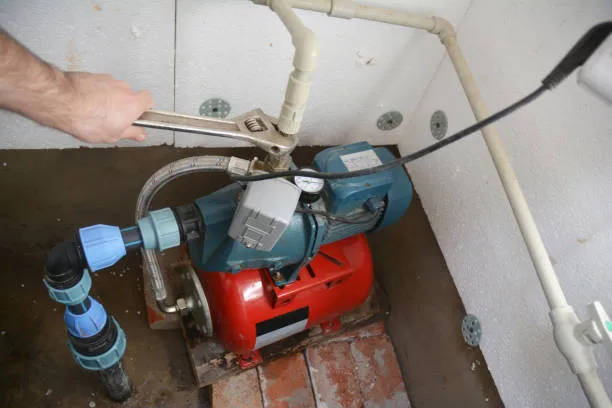
Eliminate the rust staining and rotten egg smell from your well’s water
Explore service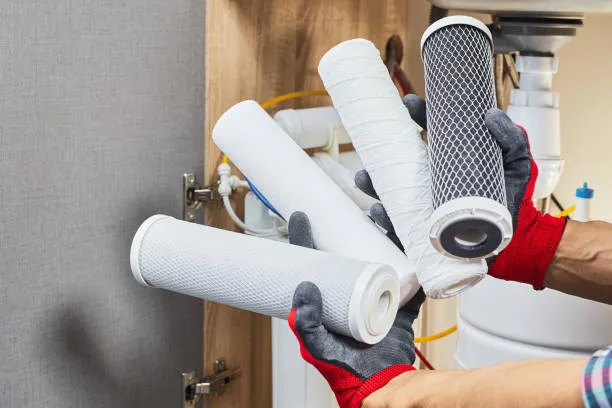
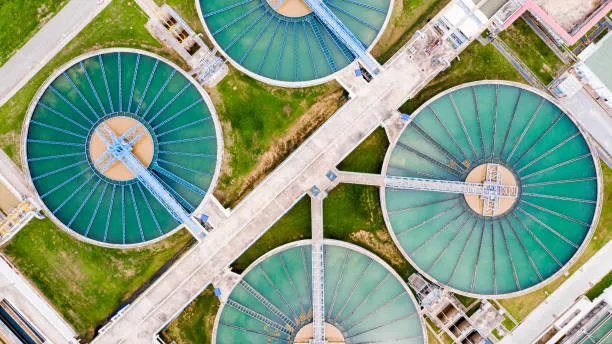
Provide your home with clean water by removing the chemicals used in city water
Explore serviceTell us what you are seeing on your fixtures and your dishes. We will help you figure out how hard your water is, whether a softener is the right fix, and what else your water may need.