

Iron In More Than One Form
Iron can be dissolved, already rusted, or tied up with bacteria. Each form takes different equipment, which is why iron is never just one problem.
Your well has no city treating the water before it reaches your house. Whatever is in the ground comes up with it, and rust stains and rotten egg smell are the most common complaints. We build a system around the problems your well actually has.
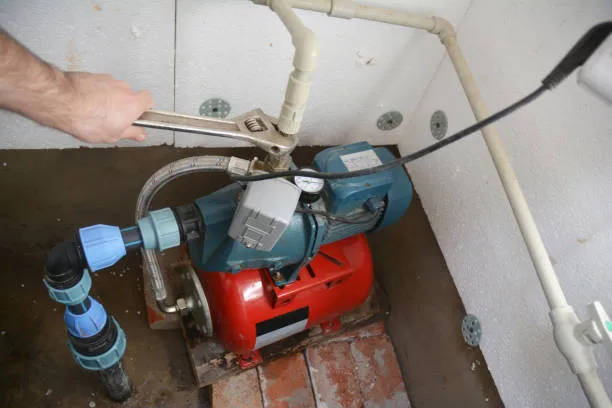
What You Notice On Well Water
Sulfur gas in your well water makes that smell. It is often stronger on the hot side, because your water heater helps make more of it.
Iron is clear in the water and only stains once it meets air. That is why the marks show up in your sink, your tub, and your laundry.
Manganese acts like iron but stains darker. The two usually show up together.
That is sediment settling out of your water. It often follows a pump cycle or a change down in the aquifer.
A private well answers to what happens on the land above it. City water does not change that way.
Nobody monitors your well but you. Your own test is the only record of what is in it.
What Comes Up With Your Water
Iron can be dissolved, already rusted, or tied up with bacteria. Each form takes different equipment, which is why iron is never just one problem.
This is the gas behind the rotten egg smell. It eats at some plumbing parts, and it can come and go with conditions in the well.
Wells can test positive after flooding, a damaged well cap, or contamination nearby. This is the reason routine testing exists.
Well water sits in contact with rock. It is frequently harder than the treated water a city delivers in the same area.
Fine sand and silt draw in with your water. Older wells and heavy pumping both make it worse.
Acidic water eats at copper and galvanized pipe. Blue-green staining is a sign your plumbing is being dissolved.
How It Works
There is no utility between the aquifer and your house. Nobody tests your well on a schedule, adjusts it, or disinfects it. What the ground holds arrives at your pressure tank the way it is.
That does not make it bad water. It does mean the only way to know what is in it is to test it.
We recommend a full panel test on a well. It is not required to improve your water, and we can get you cleaner water without one. It is the only way to know exactly what you are starting with.
Well treatment is almost always a line of equipment, not one device, and the order matters as much as the parts. Sediment comes out first to protect everything behind it. Iron and sulfur come out before softening, because iron ruins softener resin. pH correction comes before anything it would damage.
A good component in the wrong spot in that line can underperform for years without ever looking broken.
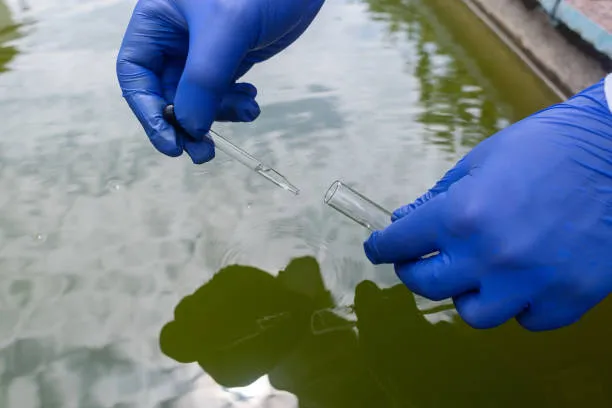 01
Understanding your water quality today helps us build out the water filtration system for your tomorrow. Optional in-home testing is available.
 02
We determine the right water filtration equipment to solve your unique problems. Each component is specifically chosen to deliver exceptional results.
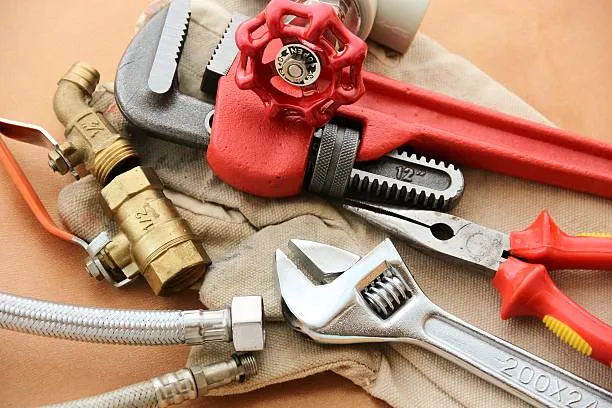 03
Licensed and insured plumbers install, calibrate, and configure your system. Backed by a 100% workmanship guarantee and manufacturer equipment warranties.
What It Costs
No two wells are the same, so we do not publish one price. These are the things that move the number. We go through them with you before we quote, and there is never any pressure to buy.
Questions We Hear Often
Once a year is the common recommendation for bacteria and basic chemistry. Test again any time the water changes in taste, smell, or look, and after flooding or any work on the well.
Rarely. Well problems come in combinations, like iron with hardness or sulfur with bacteria. Each one needs a different process, which sets how many stages your system needs and what order they go in.
Your water heater can create the conditions that make the gas. That is why the smell is often stronger on the hot side even when the cold side seems fine.
Dissolved iron is invisible until it meets air. The staining is that iron rusting on the fixture instead of in your glass.
More Ways We Can Help
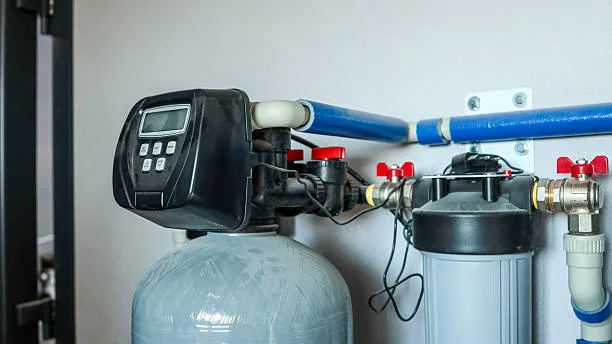
Treat your entire home. Showers, sinks, and appliances all use pure water
Explore service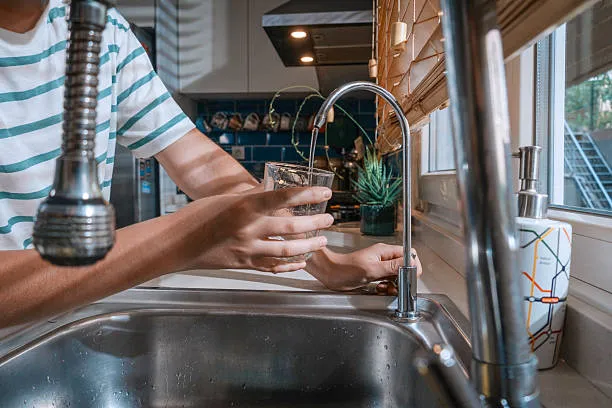
Purify the water you use for drinking, cooking, and making ice
Explore service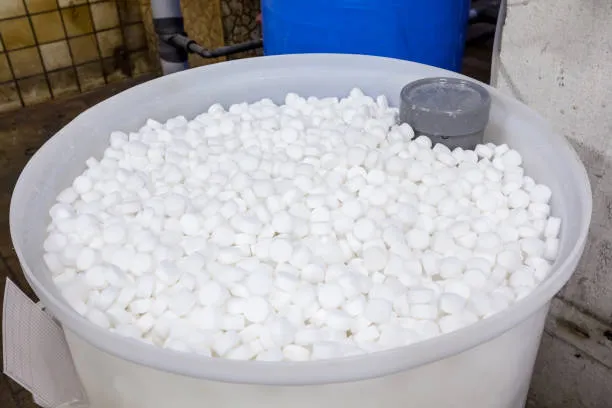
Protect your plumbing and appliances by removing calcium and other hard minerals
Explore service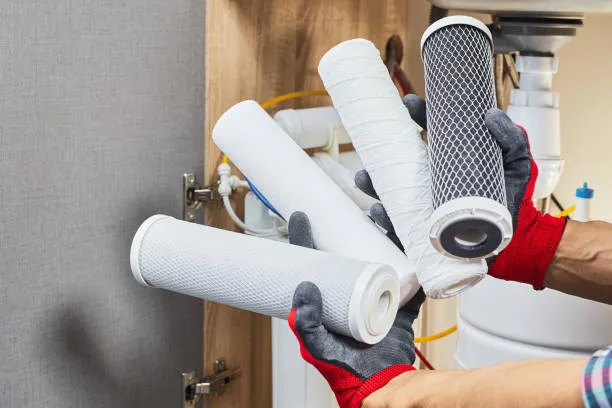
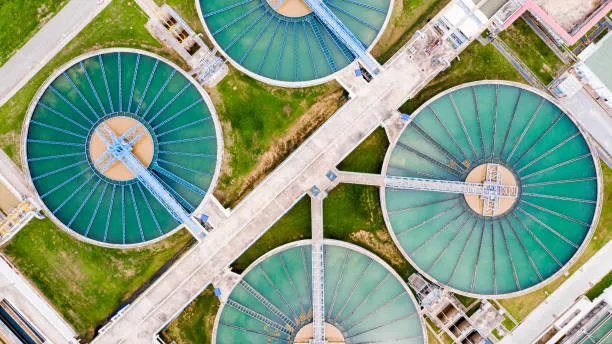
Provide your home with clean water by removing the chemicals used in city water
Explore serviceTell us what you are seeing and smelling at the tap. We will help you figure out what is causing it, whether well treatment is the right fix, and what order the equipment needs to go in.