

High total dissolved solids
TDS is the combined weight of everything dissolved in the water. It is not a contaminant by itself, but it tracks with taste and with scale formation.
Reverse osmosis treats water at a single point of use, usually the kitchen sink, by pushing it through a membrane whose pores pass water molecules while rejecting most dissolved solids. It is the approach used when the goal is the water you drink, cook with, and make ice from specifically, rather than changing what the whole plumbing system sees.
What You Notice
Buying drinking water by the case is the most common reason households look at a dedicated drinking water system.
Brewed drinks concentrate whatever is in the water, so taste issues that are subtle from the tap become obvious in a cup.
Both are dissolved solids left behind when water freezes or evaporates.
Taste is a rough proxy for dissolved mineral content, and it is usually what sends people looking for a solution.
A notice from the utility or a well test result naming a particular contaminant often drives the decision toward a system rated for it.
Dissolved solids in the rinse water dry onto the glass as a visible film.
What Is Actually Going On
TDS is the combined weight of everything dissolved in the water. It is not a contaminant by itself, but it tracks with taste and with scale formation.
An RO membrane is a consumable. Sediment, hardness, and disinfectant residual all shorten its life, which is why the prefilters in front of it exist.
RO produces water slowly and stores it in a tank. A tank that is too small for the household runs out during heavy use and needs time to recover.
Reverse osmosis sends a portion of the feed water to the drain to carry rejected solids away. How much varies by system design and by feed water quality.
Prefilters protect the membrane. Once they are loaded, the membrane takes the abuse, and membrane replacement is the expensive part.
How It Works
Reverse osmosis pushes water through a semi-permeable membrane whose pores are small enough that water molecules pass while most dissolved solids do not. Pressure from the household plumbing supplies the force. What is rejected at the membrane surface gets flushed to the drain, and the treated water collects in a small storage tank until a tap is opened. Because the process is driven by line pressure and produces water gradually, RO is used at a single point — typically the kitchen sink — rather than for the whole house.
A residential RO system is a series, not a single device. Sediment and carbon prefilters come first and exist mainly to protect the membrane; the membrane does the dissolved-solids work; and a final polishing filter sits after the storage tank so the water tastes fresh on the way out. Each stage has its own service interval, and the reason RO systems underperform in the field is almost always a service interval that was missed rather than a design that was wrong.
 01
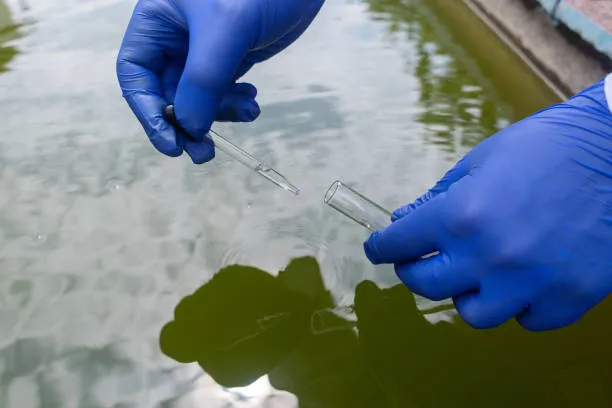
01We look at your water source, what you're seeing at the tap, and what a test shows. The same symptom can have more than one cause, so this comes first.
We explain which options fit your water, your plumbing, and your budget — including what each one addresses and what it doesn't.
 03
03We install the system, tie it in properly, test it, and show you how it works and what it needs from you.
Budgeting
These are the factors that move the number. What they add up to depends on your water and your house, which is why the figure comes after the test rather than before it.
Frequently Asked
It reduces dissolved minerals broadly — it does not distinguish between the ones you would rather keep and the ones you would rather not. Some systems add a remineralization stage after the membrane for taste. Dietary mineral intake overwhelmingly comes from food rather than from water.
Usually yes, with a line run from the system to the fridge. The practical limits are the distance, whether the system can keep up with ice production, and access to run the tubing.
The flow you see is the storage tank emptying, not the membrane producing in real time. Slow flow usually means tank pressure is low or the postfilter is due for replacement.
It varies by system design and by how much is dissolved in the feed water. Systems marketed as higher-efficiency reject less; systems fed by harder or higher-TDS water reject more, because more has to be carried away.
Also Available
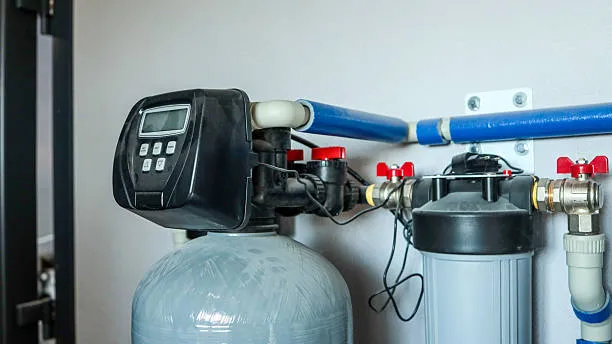
Treat the water where it enters the house, so every tap, shower, and appliance downstream draws from filtered water.
Explore service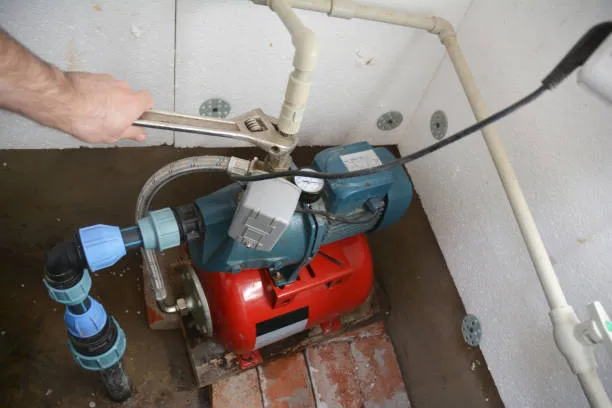
Iron, sulfur odor, sediment, hardness, and pH — treated as the separate problems they actually are.
Explore service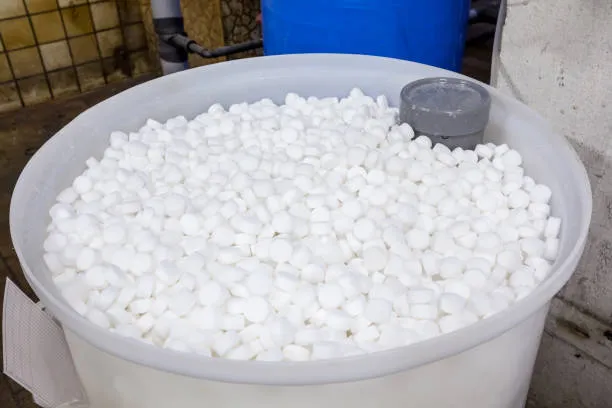
Address the hardness behind scale on fixtures, spotted dishes, and early appliance failure.
Explore service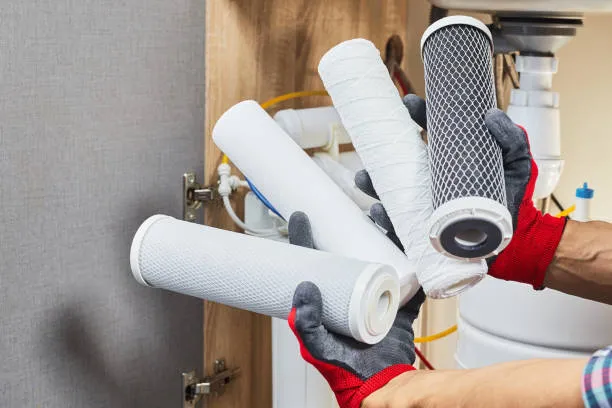
For the chlorine taste and smell, and the taste and odor compounds that come through with it.
Explore service
Treatment aimed at what municipal systems aren't built to address — hardness, scale, taste, and odor.
Explore serviceTell us what you're seeing at the tap and we'll work out what's behind it, whether reverse osmosis drinking water is the right answer, and what else the water may call for.