

Disinfectant residual
Municipal systems must maintain a residual disinfectant to the last tap on the line. It does its job in the distribution system, and it is still there when the water reaches the house.
A whole-home system treats water where the service line enters the house, so every tap, shower, and appliance downstream draws from filtered water rather than the single fixture a pitcher or under-sink cartridge reaches. What the system has to address — sediment, disinfectant residual, iron, hardness — depends on what the incoming water actually carries, which is why media selection and sizing follow a test rather than a catalog.
What You Notice
A chemical or bleach-like smell at every tap usually traces to the disinfectant residual in municipal water rather than to anything inside the house.
Fine particles collecting in screens means solids are making it through to the fixtures, where they also reach appliances.
Orange, brown, or blue-green marks that return after cleaning point to dissolved metals coming in with the water, not to a cleaning problem.
Dryness or dullness after showering is commonly reported where the incoming water is hard or carries a heavy disinfectant residual.
A pitcher or fridge filter that fades within weeks is being asked to handle a whole-house water quality issue.
Taste, smell, or color that shifts seasonally reflects changes at the source or in treatment upstream.
Water heaters, dishwashers, and ice makers are the first equipment to show the effects of untreated supply water.
What Is Actually Going On
Municipal systems must maintain a residual disinfectant to the last tap on the line. It does its job in the distribution system, and it is still there when the water reaches the house.
Sand, silt, rust flakes, and pipe scale travel with the water. They abrade valves and seals and they blind filters downstream.
Both are colorless in solution and both stain once they oxidize on contact with air, which is why marks appear in fixtures rather than in the glass.
Calcium and magnesium are dissolved rock. They are not a health concern, but they deposit as scale everywhere the water is heated or evaporates.
Compounds formed during treatment or picked up from the source can carry a distinct taste or smell even when the water meets every applicable standard.
A filtration system that is never serviced becomes the restriction in the plumbing, and the symptom shows up as low flow rather than as bad water.
How It Works
A whole-home system treats water at the point where the service line enters the house, so everything downstream of it — every tap, every shower, the water heater, the laundry, the ice maker — draws from treated water. That is the difference between whole-home treatment and point-of-use treatment: the pitcher on the counter improves one glass of water, while the system at the entry point changes what the whole plumbing system sees.
Most whole-home configurations are staged, because no single media handles everything. A sediment stage catches particles so the finer media behind it is not blinded by grit. A carbon or specialty media stage addresses taste, odor, and disinfectant residual. Softening or iron treatment, where the water calls for it, is a separate stage again. Sizing matters as much as media selection: water has to spend enough contact time in the media bed to be treated, so a system sized for a smaller house delivers less than expected when several fixtures run at once.
 01
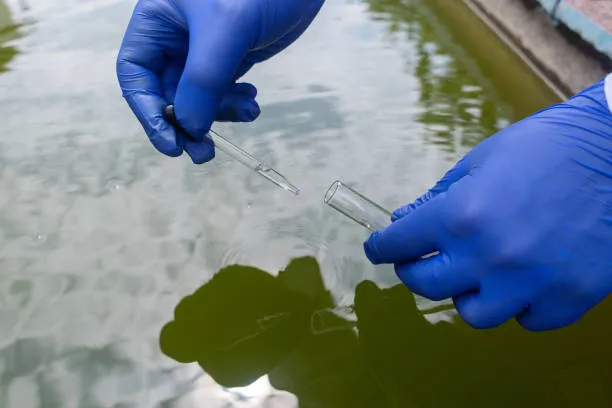
01We look at your water source, what you're seeing at the tap, and what a test shows. The same symptom can have more than one cause, so this comes first.
 02
02We explain which options fit your water, your plumbing, and your budget — including what each one addresses and what it doesn't.
 03
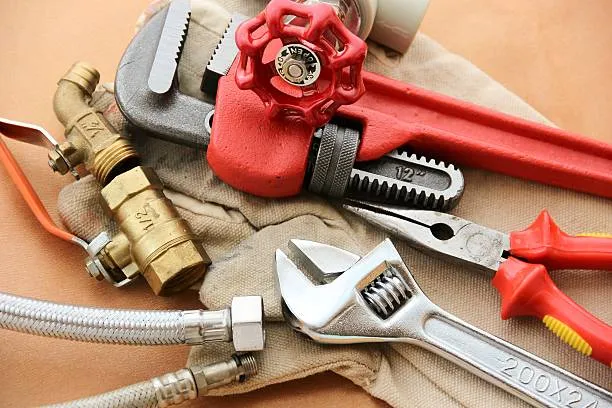
03We install the system, tie it in properly, test it, and show you how it works and what it needs from you.
Budgeting
These are the factors that move the number. What they add up to depends on your water and your house, which is why the figure comes after the test rather than before it.
Frequently Asked
It depends on what you want out of the drinking water. Whole-home treatment improves water everywhere in the house; a reverse osmosis system at the kitchen sink goes further on dissolved solids for drinking and cooking specifically. Many homes use both, each doing the job it is suited to.
No. Filtration and softening are different processes. Filtration captures particles and adsorbs certain compounds; hardness minerals are dissolved and pass straight through a standard filter. Removing them requires ion exchange or another hardness-specific treatment.
By testing it. Municipal customers can also review the annual water quality report their utility publishes, but that describes the water leaving the plant, not what arrives at your fixtures after traveling through the distribution system and your own plumbing.
Any equipment in the line creates some pressure drop. A properly sized system keeps that drop small enough not to be noticeable in normal use. Noticeable pressure loss usually means the system is undersized for the household or overdue for service.
Also Available
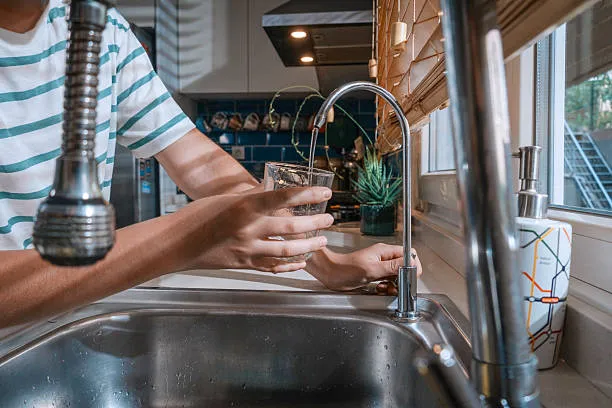
Dedicated treatment at the kitchen sink for the water you drink, cook with, and make ice from.
Explore service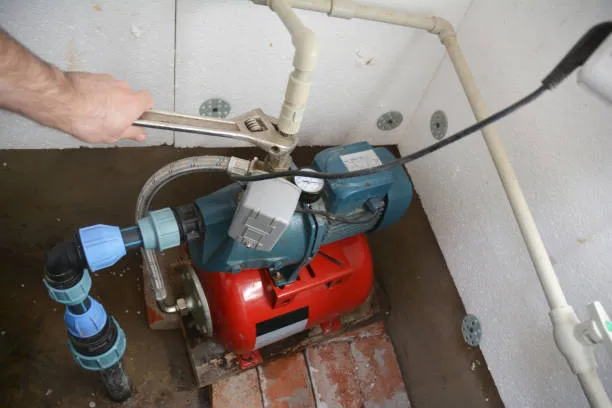
Iron, sulfur odor, sediment, hardness, and pH — treated as the separate problems they actually are.
Explore service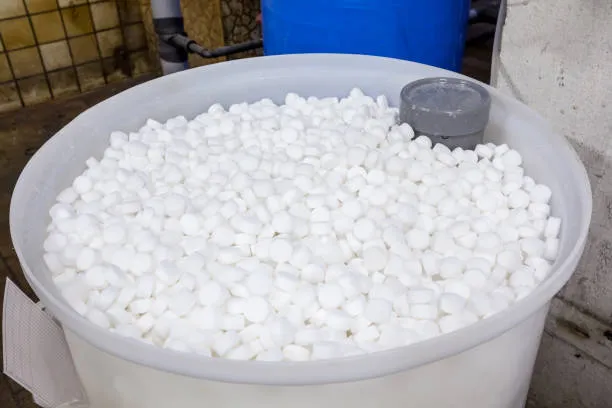
Address the hardness behind scale on fixtures, spotted dishes, and early appliance failure.
Explore service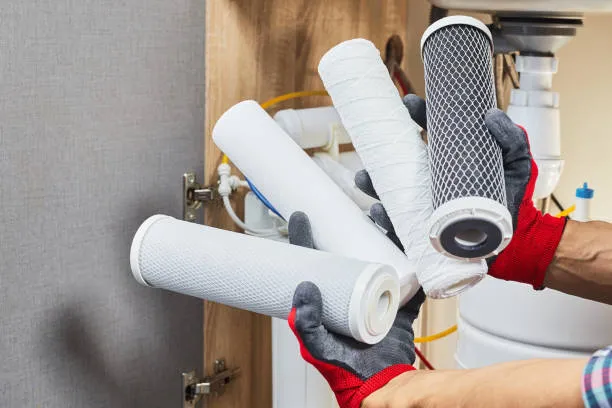
For the chlorine taste and smell, and the taste and odor compounds that come through with it.
Explore service
Treatment aimed at what municipal systems aren't built to address — hardness, scale, taste, and odor.
Explore serviceTell us what you're seeing at the tap and we'll work out what's behind it, whether whole-home water filtration is the right answer, and what else the water may call for.