

Exhausted carbon
Carbon works by adsorption and has a finite capacity. Once it is spent it stops working, and the water leaving it looks exactly the same as when it was new.
Activated carbon is processed to be extraordinarily porous, so a small volume presents an enormous internal surface area. Chlorine and many of the compounds behind taste and odor adhere to that surface as water passes through — adsorption, not straining. Carbon has a finite capacity measured in volume treated rather than time on the calendar, and there is no visible signal when it is spent.
What You Notice
The most common single complaint on treated municipal water, and the one carbon is most often installed to address.
Heating drives off some compounds and concentrates others, so taste issues can surface only in hot drinks.
Seasonal compounds from the source water can carry taste and odor through treatment without indicating any standards problem.
Volatile compounds come out of solution in hot water and steam, so a shower can smell stronger than a glass from the same tap.
Small point-of-use cartridges have limited carbon capacity and exhaust quickly when the incoming water is the issue.
Disinfectant residual is hard on seals and gaskets over time, and carbon reduction is a common reason to install upstream of them.
What Is Actually Going On
Carbon works by adsorption and has a finite capacity. Once it is spent it stops working, and the water leaving it looks exactly the same as when it was new.
Water finds a low-resistance path through a compacted bed and passes with too little contact, so performance drops while the media still has capacity.
Systems that use chloramine as a residual require different carbon and longer contact time than free chlorine does. Using the wrong media is a frequent cause of disappointing results.
Carbon needs the water to move slowly enough through the bed to do its work. An undersized unit on a high-demand house underperforms even with good media.
Without a sediment stage ahead of it, fine particles coat the carbon surface and reduce the area available to adsorb anything.
How It Works
Activated carbon is processed to be extraordinarily porous, so a small volume presents an enormous internal surface area. Certain compounds — including chlorine and many of the organics responsible for taste and odor — adhere to that surface as water passes through, a process called adsorption. This is different from a sediment filter, which physically strains particles out. Carbon is not straining anything; it is holding compounds on its surface, and that surface eventually fills.
Two practical consequences follow. First, carbon has a service life measured in volume treated rather than in time on the calendar, so replacement intervals depend on water quality and household use. Second, there is no visible signal when it is spent: exhausted carbon passes water that looks identical to treated water. Sizing and contact time drive how well carbon performs and how long it lasts, which is why capacity is matched to the household's peak flow rather than to its average.
 01
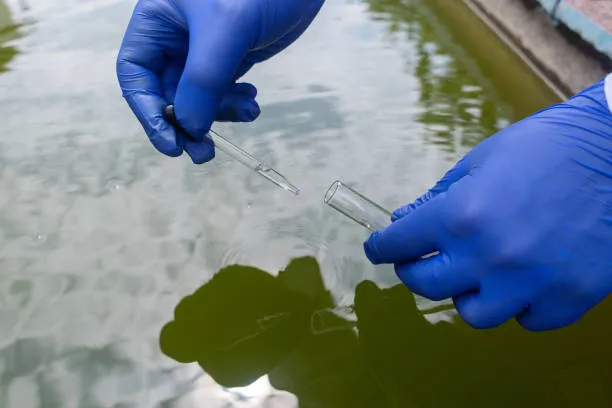
01We look at your water source, what you're seeing at the tap, and what a test shows. The same symptom can have more than one cause, so this comes first.
 02
02We explain which options fit your water, your plumbing, and your budget — including what each one addresses and what it doesn't.
 03
03We install the system, tie it in properly, test it, and show you how it works and what it needs from you.
Budgeting
These are the factors that move the number. What they add up to depends on your water and your house, which is why the figure comes after the test rather than before it.
Frequently Asked
No. Hardness minerals are dissolved and are not adsorbed by carbon. Carbon addresses taste, odor, disinfectant residual, and certain organic compounds. Hardness requires softening.
Not by looking at it. The practical approaches are replacing on the schedule set for the system's capacity and your water use, or testing. Taste returning is a late indicator, not an early one.
They solve different problems. A tap filter improves the water you drink. A whole-house unit also affects showers, laundry, and the water heater, which is what people are usually after when the complaint is a smell rather than a taste.
Utilities publish this in their annual water quality report, and it matters because the two call for different carbon media and different contact time. It is worth confirming for your specific address before selecting equipment.
Also Available
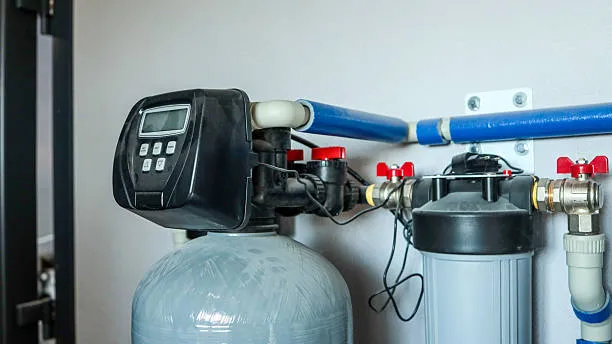
Treat the water where it enters the house, so every tap, shower, and appliance downstream draws from filtered water.
Explore service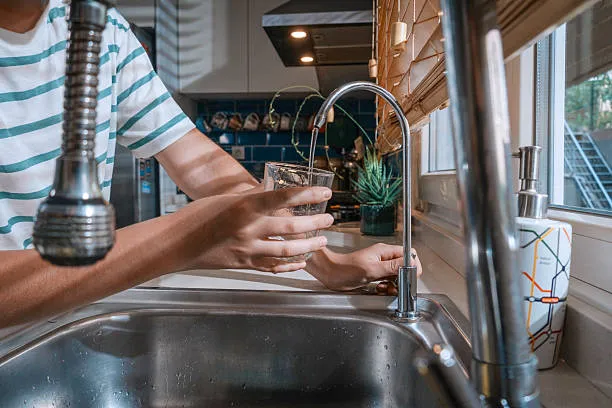
Dedicated treatment at the kitchen sink for the water you drink, cook with, and make ice from.
Explore service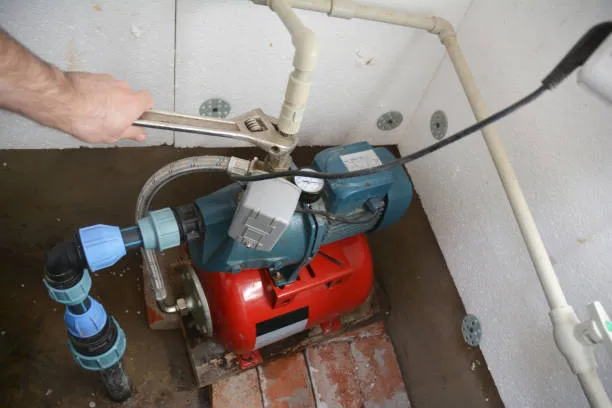
Iron, sulfur odor, sediment, hardness, and pH — treated as the separate problems they actually are.
Explore service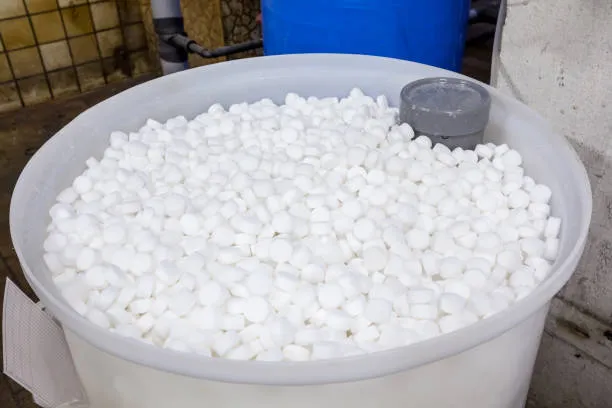
Address the hardness behind scale on fixtures, spotted dishes, and early appliance failure.
Explore service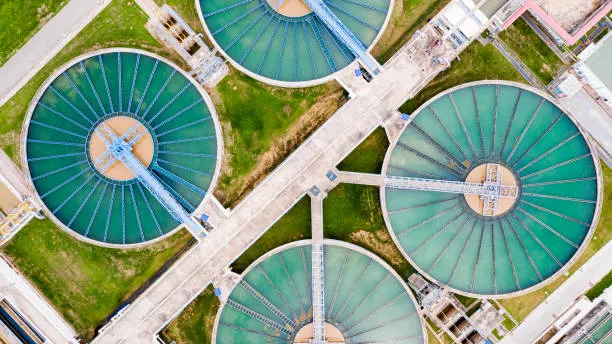
Treatment aimed at what municipal systems aren't built to address — hardness, scale, taste, and odor.
Explore serviceTell us what you're seeing at the tap and we'll work out what's behind it, whether carbon filtration is the right answer, and what else the water may call for.